Who are the courses designed for?
Our courses suit aspiring and working television reporters and camera operators in the UK. Some learners are newcomers building a first showreel, others are in a regional newsroom and want to tighten their technique. Each course description says what level it assumes, so you can choose the right starting point.
How large are the classroom groups?
We keep groups small so every learner gets time with a tutor and time on the equipment. Exact numbers depend on the course, because camera days need more space and supervision than a classroom workshop. Tom Whitaker can confirm the group size for the dates you are considering when you get in touch.
Do I need to bring my own camera?
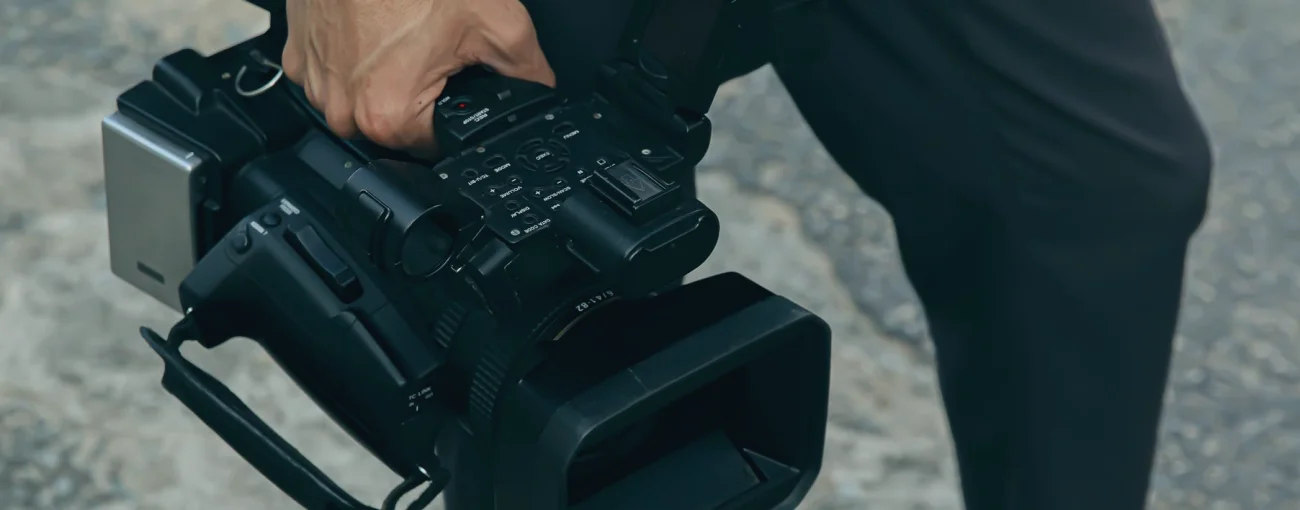
Not necessarily. Field camera and live coverage sessions use kit we provide, and Daniel Okafor shows you how to set it up before you shoot. If you already own a camera and would like to work with it, mention that in your enquiry and we will tell you whether it suits the exercise.
What will I actually do during a course?
Mostly practical exercises. Camera learners shoot handheld sequences and record audio, reporters deliver pieces to camera and get feedback, and live coverage groups plan and cue a broadcast from a location. Classroom sessions cover story structure, editing choices and interview technique, with discussion alongside the work.
Can a reporter and an operator train together?
Yes, that is the purpose of our Reporter and Camera Pairing Days. A reporter and an operator take a story from the brief through planning, shooting and edit as one team. Many learners say it showed them how the other role thinks, which is hard to learn on your own.
How do I enquire and book a place?
Send an enquiry through the contact page or phone the office. We reply with a written quotation or confirmation, and once you accept we send an invoice. Nothing is bought on this website itself, so there is no checkout and no card payment.
How do I pay for a course?
Payment is by bank transfer against the invoice we send you after the written confirmation. The invoice states what the price includes and the payment details. If you need the invoice made out to an employer or a training budget, tell us when you enquire.
What happens if I need to cancel?
Cancellations and refunds follow our payment and refund policy, which sets out what applies and when. If your plans change, write to us as early as you can, because an earlier message gives us more room to help, for example by moving you to a later group where that is possible.